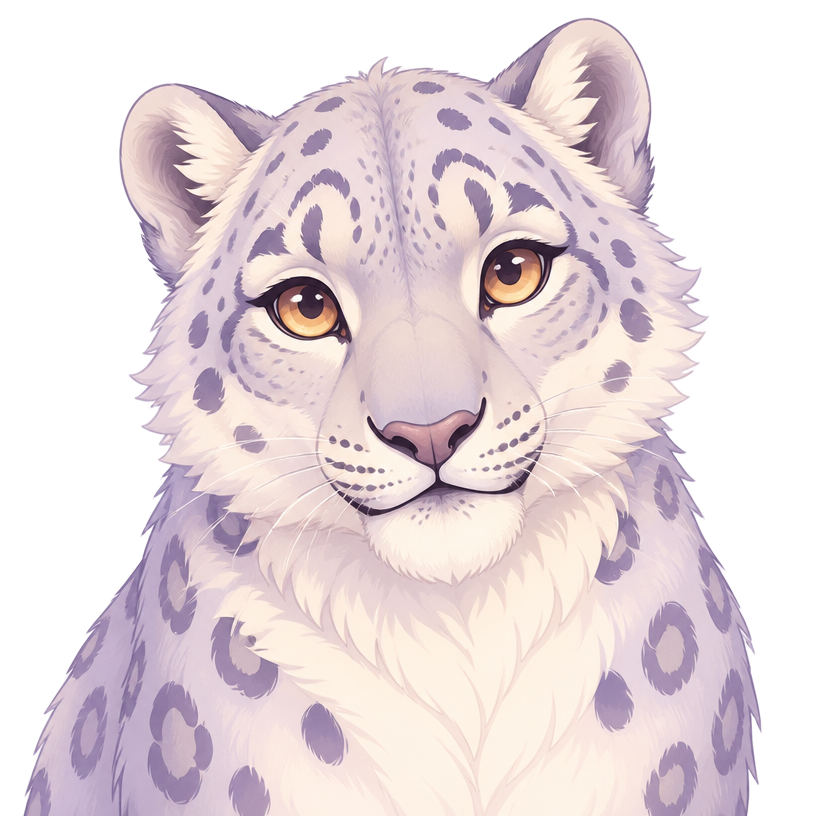
Conservation in captivity
Zoos play a vital, if controversial, role in preventing extinction. Several species that are extinct in the wild, such as the Père David’s deer and the scimitar-horned oryx, survive today only because of captive breeding programmes. Zoos provide a safe environment for genetic management, ensuring diversity is maintained before a species is eventually reintroduced to its natural habitat. We know this by looking at the success rates of reintroduction projects led by major zoological societies. It is a high-stakes, long-term commitment that has turned the tide for multiple endangered species that would otherwise have vanished entirely.
The ethics of captivity
The core of the argument against zoos is the welfare of the animals. Large carnivores and highly social cetaceans often struggle in captivity, developing stereotypical behaviours—repetitive, aimless movements known as zoochosis—due to lack of stimulation and limited space. Studies comparing the behaviour and health of captive animals to their wild counterparts have highlighted these welfare concerns. Critics argue that regardless of conservation value, it is ethically unjustifiable to keep complex, sentient animals in artificial conditions that can never truly replicate their natural home range. It is an argument of quality of life versus the survival of the species.
The education debate
A common justification for zoos is their role in educating the public, but the evidence is mixed. Do visitors actually leave with a stronger commitment to conservation? Some studies suggest that the experience is more about entertainment than education, with visitors spending very little time actually reading the information provided at enclosures. However, other institutions have revamped their approach, focusing on immersive, interactive learning that directly links animal encounters to global biodiversity issues. The challenge for modern zoos is to prove that their educational impact is genuine and that the experience translates into long-term change in visitor attitudes and behaviour.
The modern standard
The consensus is shifting towards the 'Five Domains' model for animal welfare: Nutrition, Environment, Health, Behaviour, and Mental State. Modern zoos are increasingly assessed against these standards, moving away from being collections of animals to becoming research and rehabilitation centres. Scientists and ethicists now argue about individual institutions rather than the blanket concept of 'zoos.' By rigorously applying scientific metrics to measure both welfare and conservation success, we are seeing a move towards a more accountable, transparent future for these institutions. The question is no longer 'should zoos exist?', but 'can this zoo provide a life worth living while fulfilling a clear conservation purpose?'